Get the Most from Your Breast Pump - What Parts You Might Need to Replace and Why
Is Your Breast Pump Not Working Like It Used To? Here's What Parts Might Need Replacing
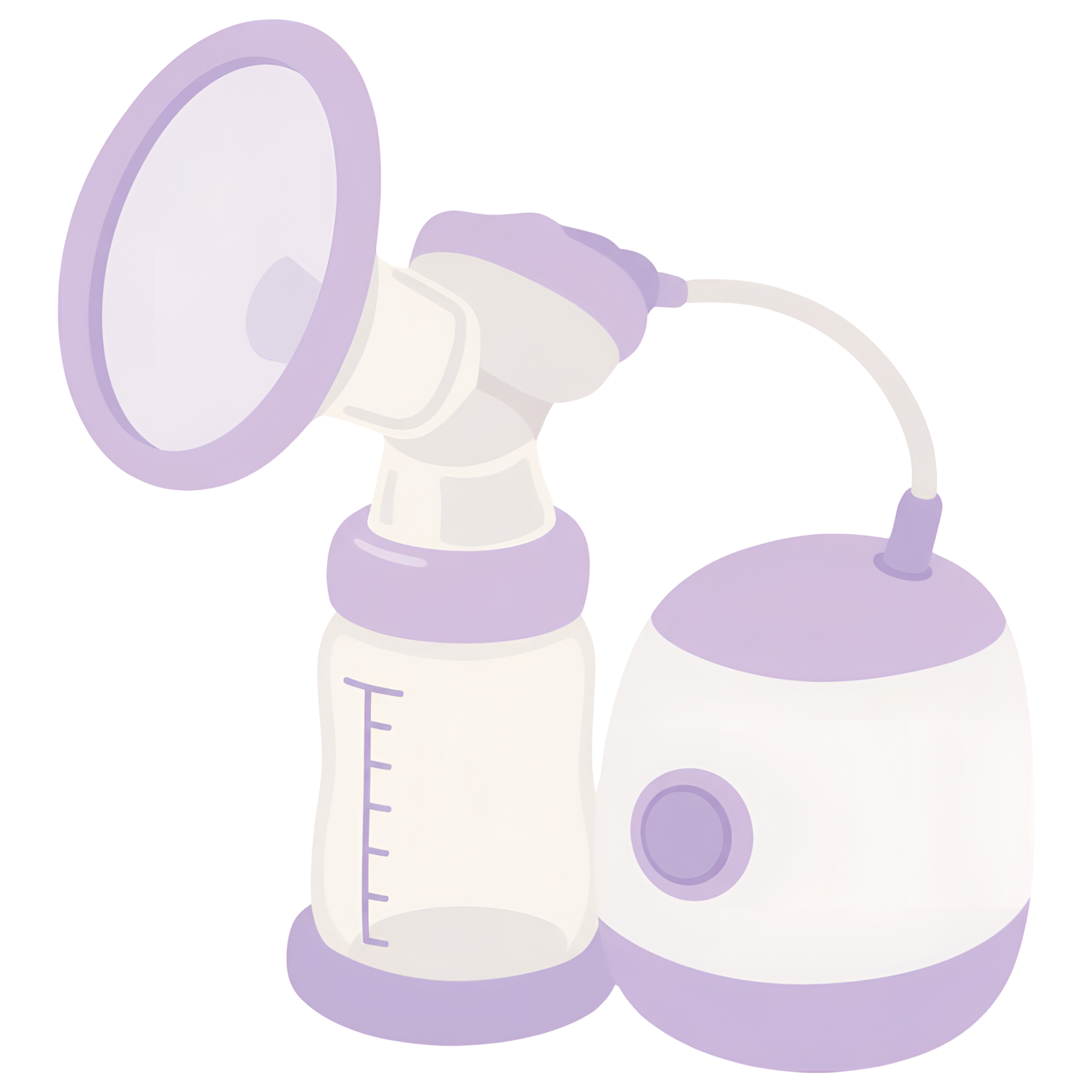
Many parents assume that if their breast pump turns on, it's working properly. But just like any machine, breast pumps experience wear and tear over time. In fact, one of the most common reasons for a sudden drop in milk output is not low milk supply—it's worn-out pump parts.
If pumping suddenly feels less effective, less comfortable, or takes longer than it used to, it may be time for a quick pump checkup.
Why Breast Pump Parts Need Replacing
Most breast pumps work by creating suction. Several small silicone and plastic parts help maintain that suction and create an effective milk-removal system. Over time, these parts stretch, crack, weaken, or lose their elasticity.
When that happens, your pump may:
Remove less milk
Feel less comfortable
Take longer to empty your breasts
Cause nipple swelling or irritation
Make you think your milk supply has dropped when the real issue is the pump
For parents who pump frequently or exclusively, replacing parts regularly is essential for maintaining milk production and comfort.
Which Parts Need Replacing?
The parts that most commonly wear out include:
Duckbill Valves
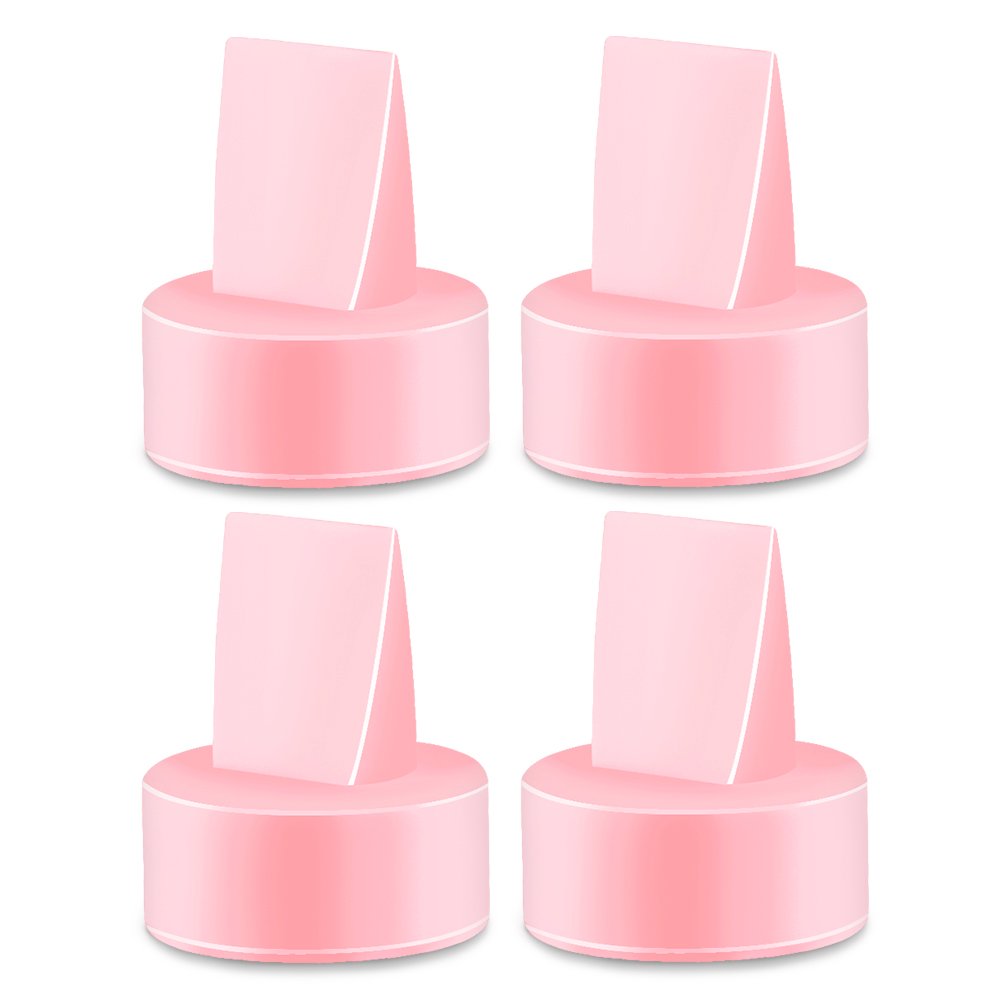
Duckbills are often the first part to wear out. They may look fine from the outside but can lose tension over time.
Replace every:
4–8 weeks for exclusive pumpers
2–3 months for occasional pumpers
Signs they need replacing:
Decreased output
Milk pooling in the flange
Visible gaps at the valve tip, the way you tell your story online can make all the difference.
Shop for duckbill valves at The Pump Bar!
Membranes and Backflow Protectors

If your pump uses membranes, these can stretch or weaken with use.
Replace every:
1–3 months depending on pumping frequency
Signs they need replacing:
Reduced suction
Tears, stretching, or discoloration
Shop for Backflow Protector Membranes at The Pump Bar!
Tubing
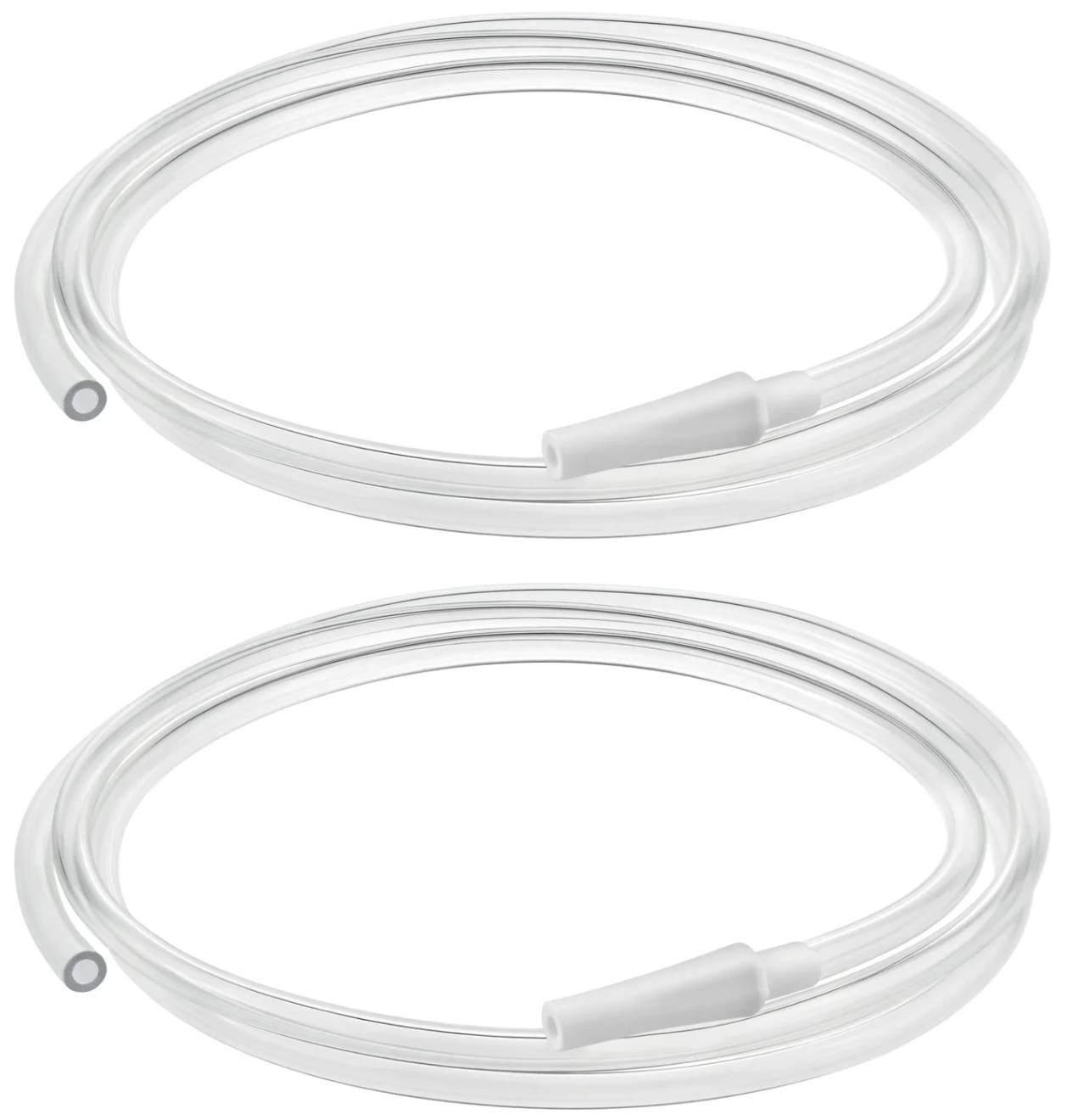
Most tubing does not need routine replacement unless it becomes damaged.
Replace if:
You see condensation that won't clear
There are cracks, holes, or mold
Suction feels inconsistent
Shop for tubing at The Pump Bar!
Flanges & Flange Inserts
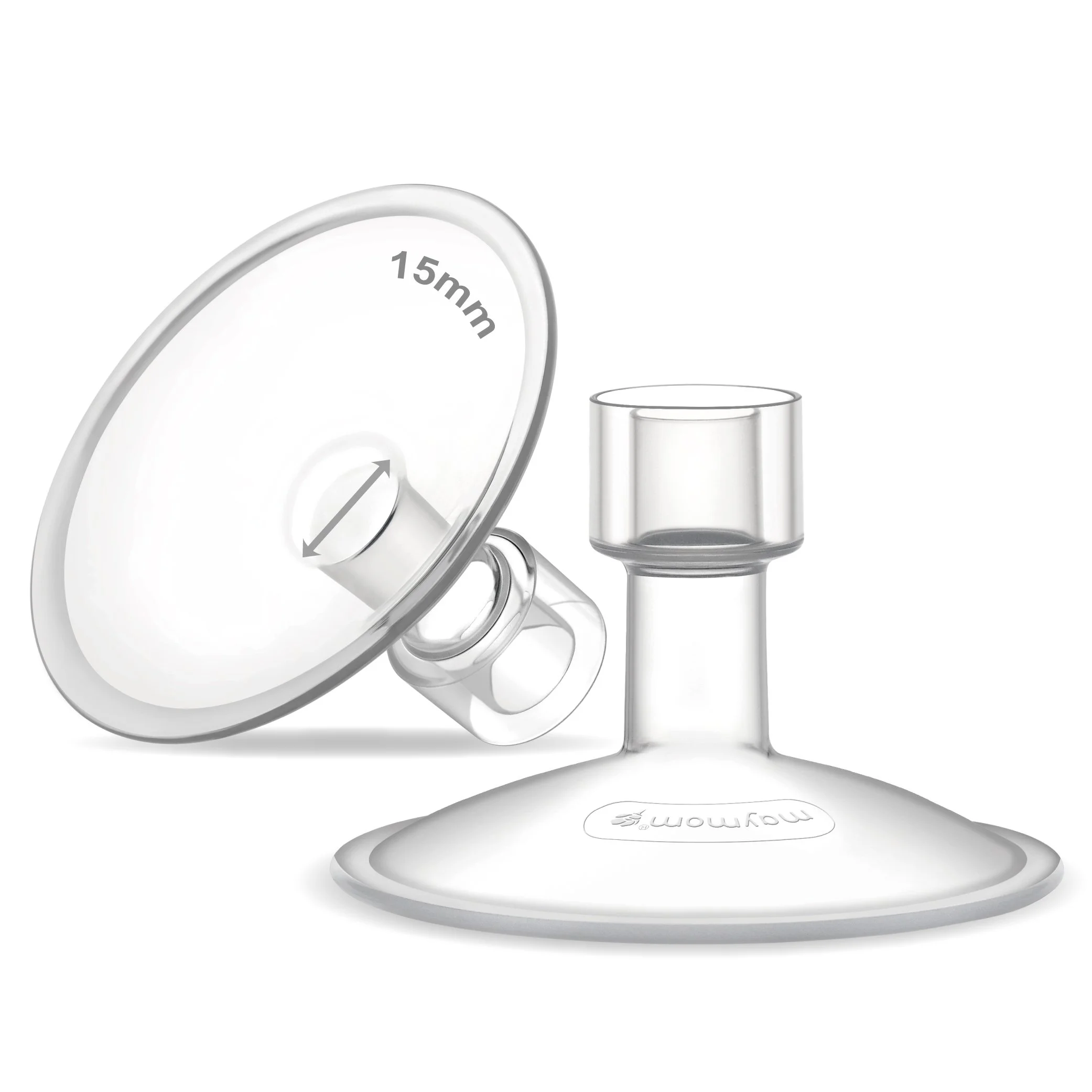
A breast pump FLANGE, also known as a breast shield, is a plastic or silicone piece that fits directly over your nipple to form a seal. When you begin to pump, this creates a vacuum seal that should only draw your nipple into the flange tunnel for maximum milk extraction.
Flanges don't wear out as quickly as silicone parts, but your body can change significantly throughout your pumping journey.
You may need a different flange size if:
Pumping becomes painful
Excess areolar tissue is pulled into the flange
Output decreases despite good pump function
A flange fitting with Bonnie Knows Breast can often make an immediate difference in both comfort and milk removal.
Shop flanges at The Pump Bar!
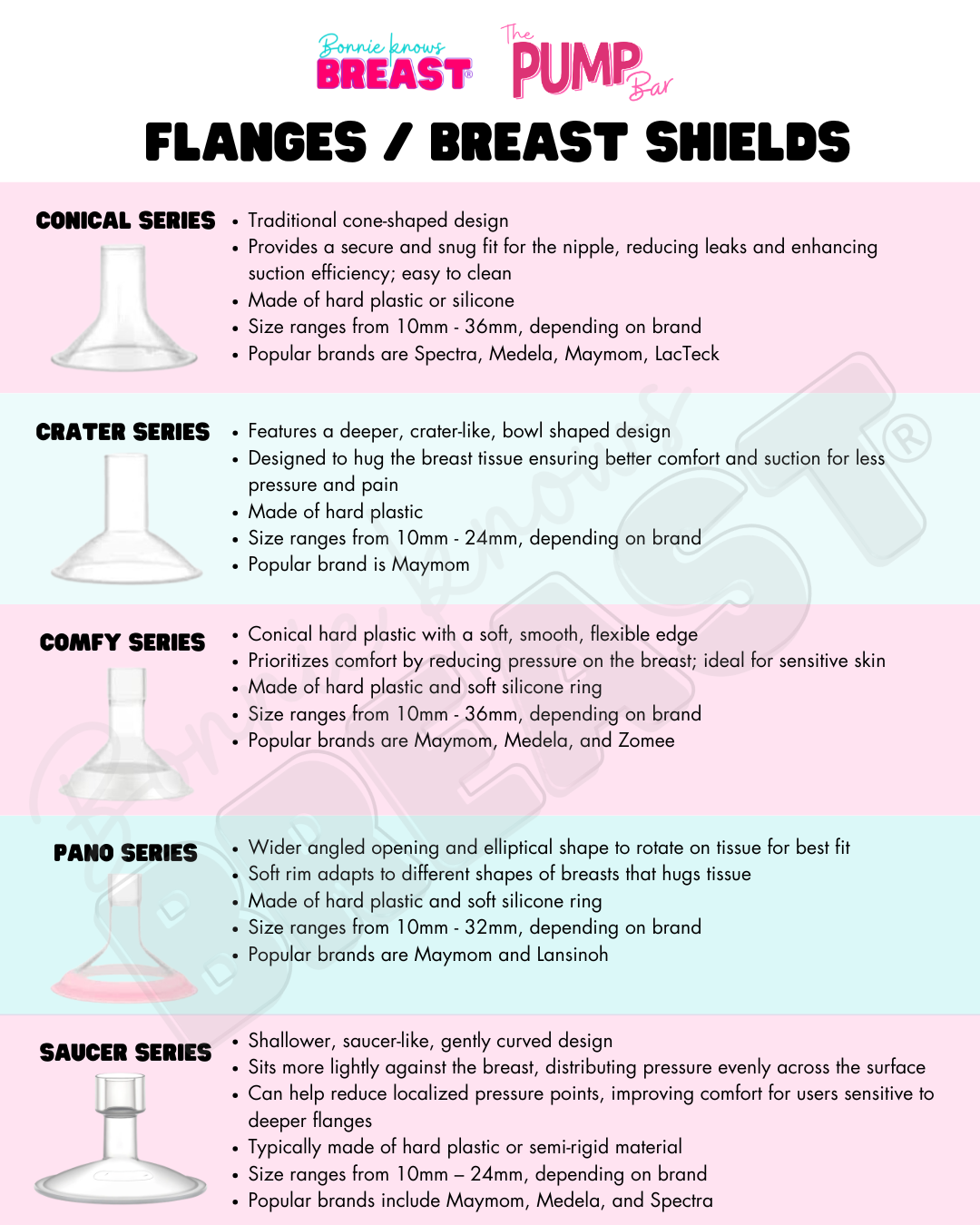
Five different breast shield/ pump flange shapes to maximize milk output and comfort for your pumping journey!
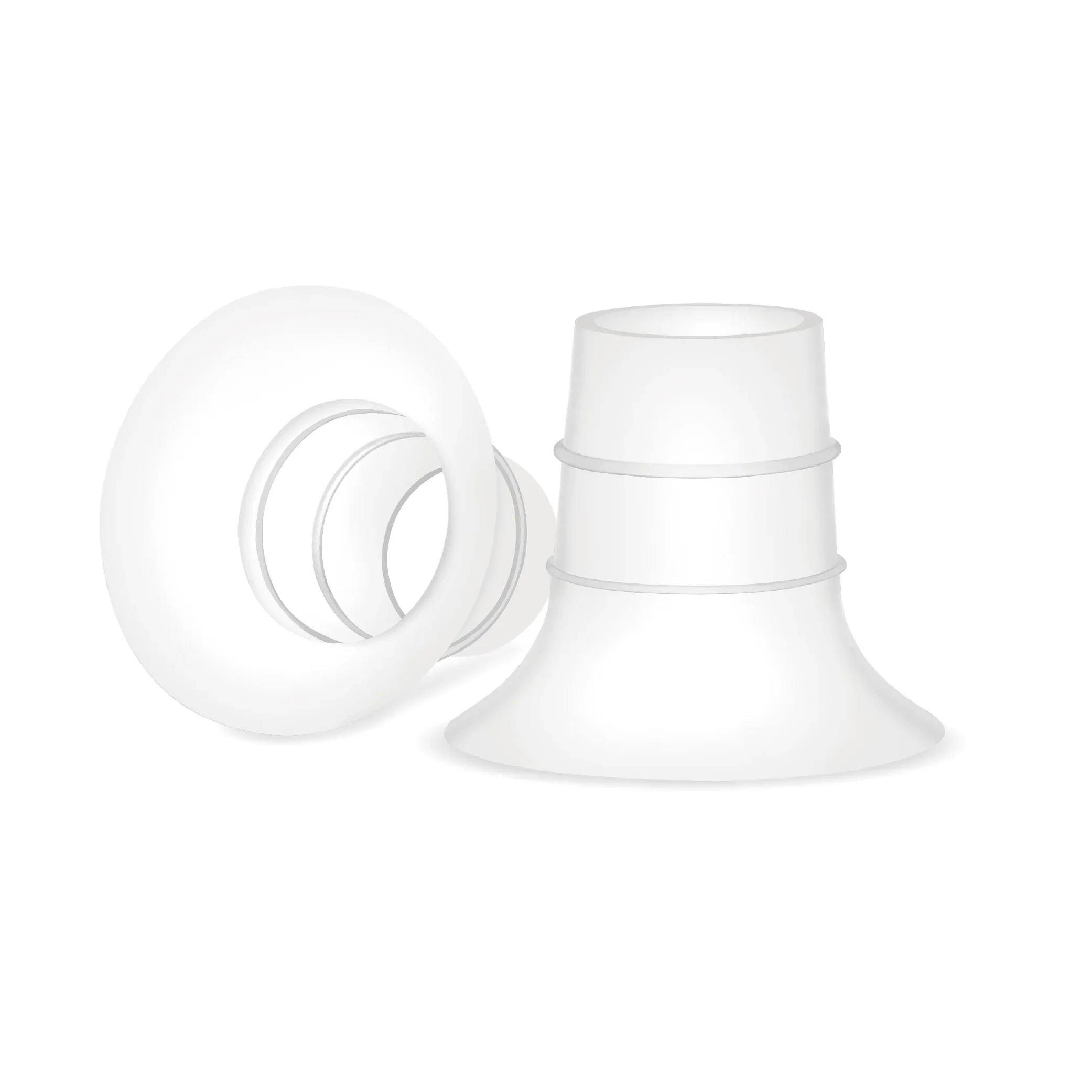
FLANGE INSERTS are silicone sleeves that fit inside a standard breast shield to create a smaller tunnel diameter. They're a popular option because they allow parents to customize flange sizing without purchasing an entirely new set of flanges.
However, inserts aren't a "set it and forget it" solution.
Over time, silicone inserts can stretch, soften, tear, or lose their shape. When this happens, they may not provide the correct fit, which can affect comfort and milk removal.
Signs your flange inserts may need replacing include:
Increased nipple swelling during pumping
Decreased milk output
Cracks, tears, or visible wear
Inserts that no longer fit snugly inside the flange
It's also important to remember that nipple size can change throughout lactation. Many parents need different flange sizes in the early weeks postpartum than they do several months later. If pumping suddenly becomes uncomfortable, don't assume your body is the problem—the insert size may no longer be the best fit.
A properly fitted flange or insert should allow the nipple to move freely in the tunnel with minimal areolar tissue being pulled in and without causing pain.
Shop flange inserts at The Pump Bar!
Pump Troubleshooting Checklist
Before assuming your milk supply has dropped, ask yourself:
✓ Have I replaced my valves recently?
✓ Are my membranes intact?
✓ Is my tubing dry and free of damage?
✓ Have my nipples changed size since I started pumping?
✓ Is my pump fully charged or receiving adequate power?
✓ Have I checked that all connections are secure?
Even one worn-out part can significantly affect pump performance.
When to Suspect a Pump Problem
Output suddenly drops without another explanation
Pumping becomes painful
Sessions are taking much longer than usual
Your baby is not gaining weight as expected
You're replacing parts but still struggling
Sometimes the solution is as simple as a new set of duckbills. Other times, adjustments to flange sizing, pump settings, or pumping schedules can make all the difference.
Remember: More pumping isn't always the answer. A well-functioning pump removes milk more effectively than a worn-out one.
If your pump isn't performing the way it used to, start with the parts. Your milk supply—and your sanity—may thank you.